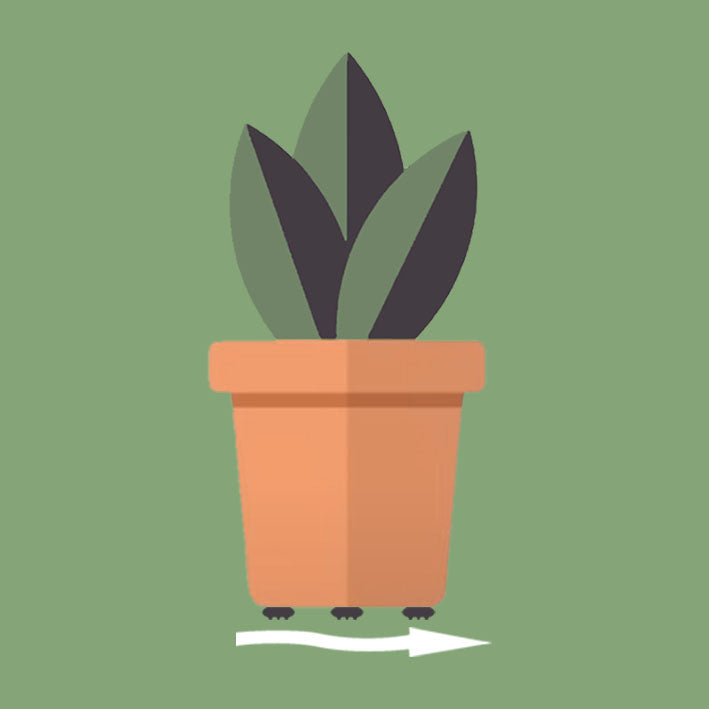
Potteben are made from polypropylene, also known as PP. The moulded feet raise a planter slightly above the surface. Taking care of them and keeping usable feet in service are practical ways to avoid unnecessary replacement.
Use what you already have
When you tidy the patio or change your planting, check the feet beneath your pots. Clear away dirt and inspect them for cracks or damage. Feet that are intact can continue to be used, provided the pot stands securely.
If you move feet to another planter, check the attachment as well as the feet themselves. Tape that has been removed or become dirty may no longer hold properly. Follow the installation guide when preparing the new base.
Care for the pot and the surface
The gap beneath the pot gives air and water space to move. Combined with open drainage holes and regular cleaning, this helps you maintain the area under the planter. It does not eliminate the need to care for the deck, pot or plant.
Check how to dispose of worn-out feet
Polypropylene can be recycled where suitable collection and processing are available. That does not mean every plastic product belongs in a household packaging bin. Acceptance depends on your local waste service and the type of item.
Check the guidance for non-packaging plastic products where you live, or ask your recycling centre how to handle small PP items with adhesive tape. In Norway, Sortere is a useful starting point. Follow local advice rather than assuming a plastic material marking guarantees collection.
A practical choice for your planters
Choose the number of feet you need, fit them securely and check them during seasonal maintenance. See Potteben packs and our autumn care checklist.